The allure of casino games
Casino games have long fascinated players from all walks of life, drawing them into a world of excitement and anticipation. The psychology behind this allure is deeply rooted in various cognitive and emotional factors. For many, the thrill of gambling acts as a form of escapism, allowing individuals to temporarily leave their everyday realities and immerse themselves in the vibrant atmosphere of a casino. Additionally, some may be enticed by emerging trends, such as bitcoin casinos, which introduce novel experiences for modern players.
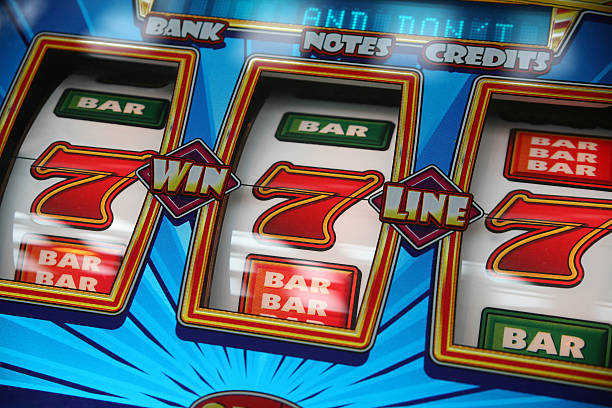
Moreover, the sensory experience of casinos – from the sounds of coins clinking to the flashing lights of slot machines – heightens emotional engagement and creates a euphoric environment. This stimulation activates the brain’s reward system, particularly the release of dopamine, which reinforces the pleasure associated with winning and encourages repeated play.
The role of choice in game selection
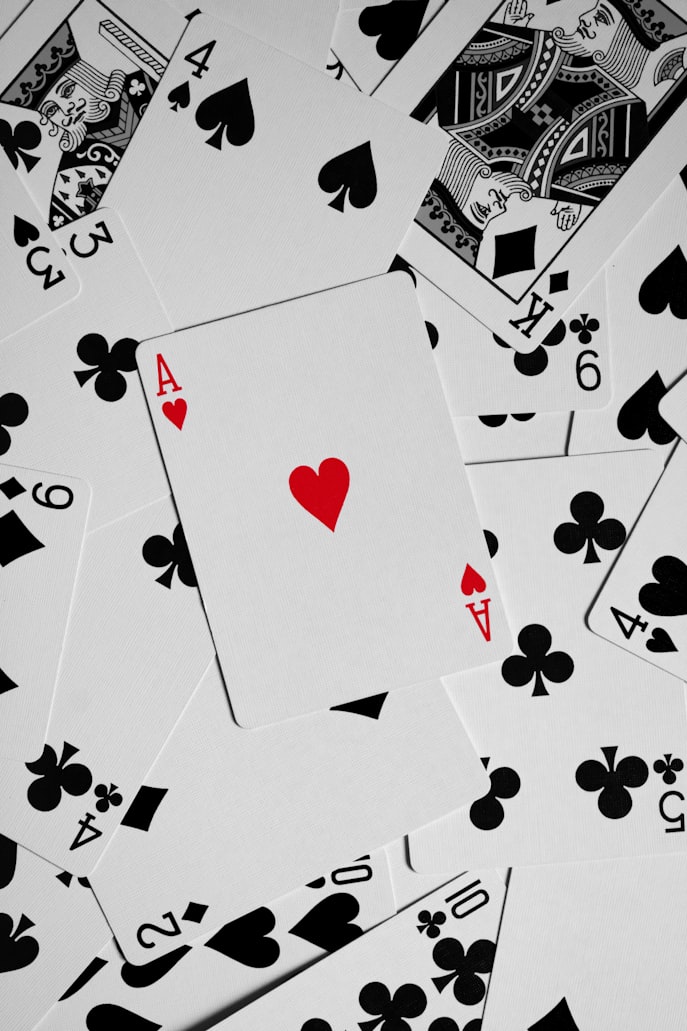
The psychology of choice is also essential in understanding why players select specific casino games. The notion of control can significantly impact decision-making processes. Many players gravitate towards games that they believe offer greater control over outcomes, such as poker or blackjack, because these games involve skill and strategy compared to purely chance-based games like slots.
This desire for control stems from an innate human need to influence one’s environment. In a casino setting, players often seek games that allow them to apply their knowledge and strategies, which can lead to feelings of empowerment and satisfaction even when facing losses.
Risk and reward perception
Every casino game presents a unique balance of risk and reward, and how players perceive these factors can heavily influence their choices. The thrill of potential winnings can overshadow the risk of loss, leading players to engage in behavior that appears irrational at times. This phenomenon is often explained by the concept of “loss aversion,” where the pain of losing is felt more intensely than the pleasure of winning.
This psychological bias can lead to players chasing losses, hoping to recoup what they have lost by increasing their wagers or switching games. As a result, the perception of risk can alter a player’s strategy and the overall choice of games, making it essential to understand these dynamics when exploring why individuals prefer certain games over others.
Social influences on gambling behavior
The social environment plays a significant role in shaping gambling preferences. Many players are influenced by the behaviors and opinions of their peers. For instance, a group of friends visiting a casino may lead to someone trying a game they wouldn’t usually play alone. Socialization in this context can enhance enjoyment and lead to a more positive gambling experience.
Additionally, the communal aspect of certain games, like craps or poker, can enhance the social experience and encourage participation. The psychology of social dynamics can often impact game choice, showing how players navigate their decisions within the group context, which helps create a more engaging atmosphere.
Understanding player motivations
Understanding the motivations behind why players choose specific casino games provides valuable insights into their behavior. Whether it’s the excitement of competition, the desire for social interaction, or the simple thrill of chance, these motivations can dictate the types of games played. Players often select games based on their personal preferences, emotional states, and past experiences, which shapes their overall gambling journey.
This website serves as a resource for individuals seeking to delve deeper into these aspects of casino gaming and player psychology. By unpacking the complexities behind game choices, we provide insights that enhance the understanding of gambling behavior. Exploring these motivations not only fosters a greater appreciation for the games but can also encourage responsible gaming practices within the community.
